| |||||||||||||||||||||||||||||||||||||||||
Getting Cities | |||||||||||||||||||||||||||||||||||||||||
 | |||||||||||||||||||||||||||||||||||||||||
In Cape Town, someone has designed a network to monitor heat across the city in real time. In June, Beira presented a plan to defend itself against the sea using dunes, mangroves and restored wetlands.Neither of those looks like infrastructure finance. Both are what has to happen before infrastructure finance is possible. This is the work your money pays for: the studies, the plans and the designs a city needs before it can attract investment. It is not easy to see from the outside, and that is exactly why this brief exists. Each issue shows you where your funding has gone and what it has made possible. This brief will arrive every quarter, starting in December, and will take about two minutes to read. Each one has the same five parts: one number, one city, one thing that has moved forward, what the money is currently preparing, and what comes next. This first issue is longer than the others, because it explains what the Fund is doing in each city right now, so that every issue after it has a clear starting point. Any question, at any point, reply to this email. It comes straight to us. | |||||||||||||||||||||||||||||||||||||||||
What this work is preparing to deliverIn preparation
Both are expectations rather than results, because the projects that carry them are still in preparation. That is the stage the Fund works at, and it is the stage that decides whether any of it happens. | |||||||||||||||||||||||||||||||||||||||||
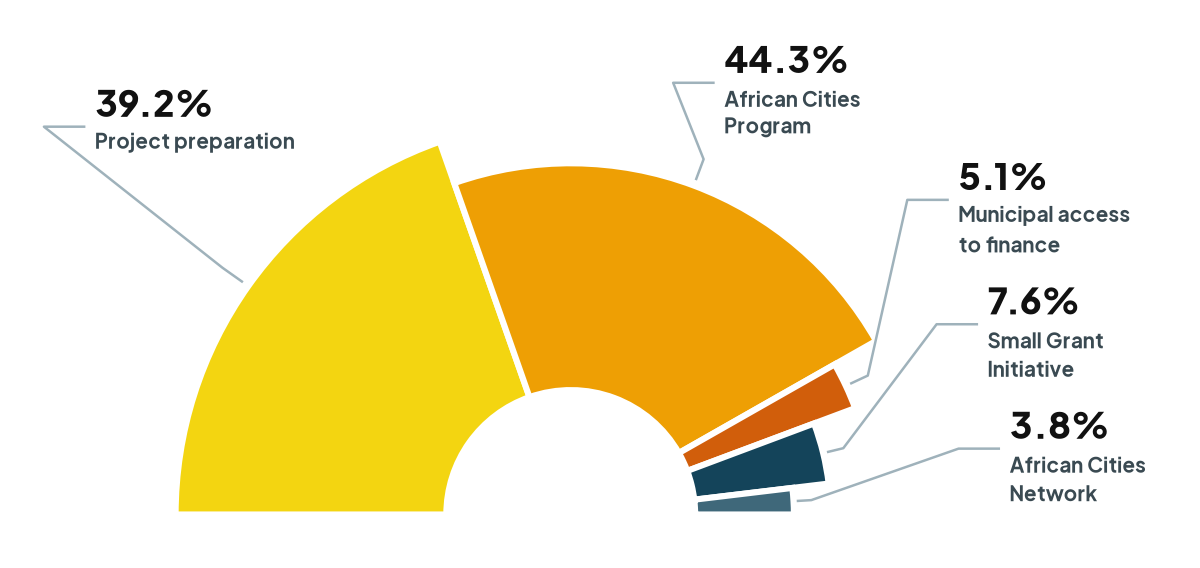
Where the UMDF stands today
| |||||||||||||||||||||||||||||||||||||||||
Cities across Africa are not short of ambition. They are short of the money to get ready. A city knows it needs a drainage system, a transport corridor, a waste facility. What it does not have is the few hundred thousand dollars required to turn that into something a financier can appraise: the feasibility study, the engineering design, the environmental and social assessment, the financial structuring. Without that work the project stays an idea, and no amount of investor appetite reaches it. That stage is what your contributions pay for. The Fund does not build. It prepares, and preparation is the cheapest part of an infrastructure project and the part that decides whether the rest happens at all. Working through others The Fund reaches further through partners than it could alone, and the deepest of those partnerships is with C40 Cities. C40 helps its member cities develop climate action plans; the Fund prepares the projects inside them. That division of labour has been formal since January 2022. Three C40 cities are in the African Cities Program: Freetown, Sekondi-Takoradi and Wakiso. C40's office in Brazil helped organise the study tour that took fifteen African municipal officials to São Paulo, Fortaleza and Curitiba, and C40 advised on which cities should take the Fund's training in solid waste management and climate-resilient water management. The two institutions are now developing a USD 500,000 initiative through the CFO Network to help municipal finance leaders in eighteen African cities improve fiscal management, climate budgeting and access to finance. Work with the Global Centre on Adaptation covers climate adaptation across the African Cities Program, joint knowledge products and two co-financed municipal finance initiatives. Work with the City Climate Finance Gap Fund covers upstream preparation of climate-resilient infrastructure. At the Africa Urban Forum in Nairobi and the World Urban Forum in Baku, the Fund co-organised six side events with partners including the Global Centre on Adaptation, the Gap Fund, GIZ, the European Investment Bank, ICLEI and UN-Habitat. | |||||||||||||||||||||||||||||||||||||||||
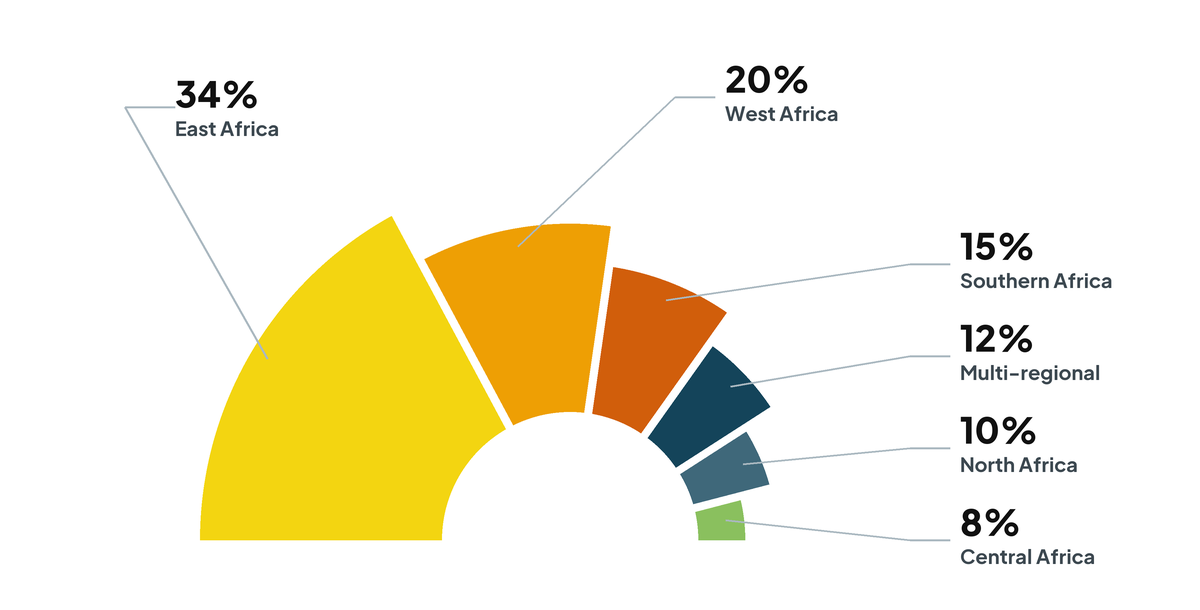
African Cities ProgramCities in the programme, by cohort The African Cities Program, city by city. Seventy cities, from Nouakchott to Buffalo City. Fourteen have completed a City Action Plan; the rest are somewhere along the way. Each of them came to the Fund with a plan it could not yet afford to prepare. | |||||||||||||||||||||||||||||||||||||||||
| |||||||||||||||||||||||||||||||||||||||||
Four places where that preparation money has already turned into something.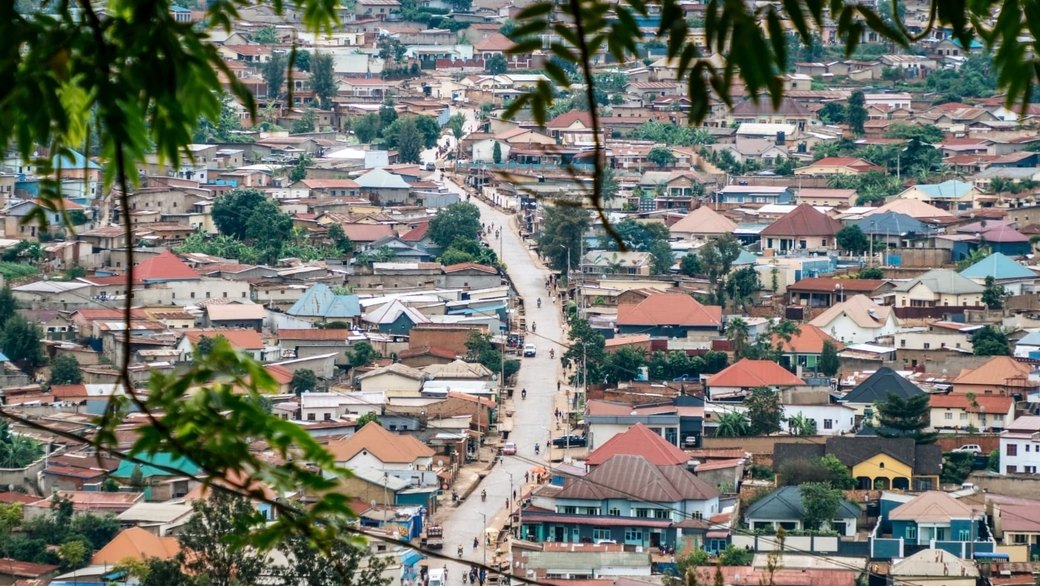 Kigali, Rwanda KigaliUSD 1,422,133 of UMDF-funded feasibility and design studies prepared the project for investment, unlocking USD 126.5 million in loans, grants and in-kind support from the Bank's Board, the African Development Fund Climate Action Window and other partners. Construction began in March 2025. This is the arc the whole instrument exists to produce, and Kigali is the first city to have completed it end to end. 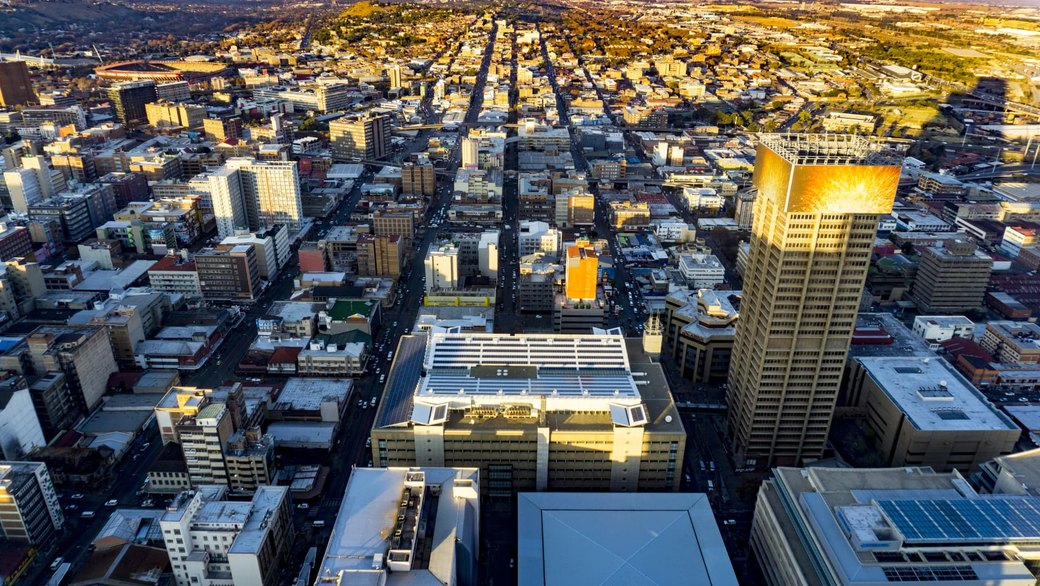 Johannesburg, South Africa JohannesburgBefore a bank lends a city USD 136 million, it asks to see the billing data. Revenue collection, financial management, digital payments, and a line-by-line account of what the city takes in and what it can carry. Johannesburg did that work, and in 2025 the African Development Bank made its first corporate loan directly to a subnational entity in Africa. The Fund supports the municipal systems work running alongside it. 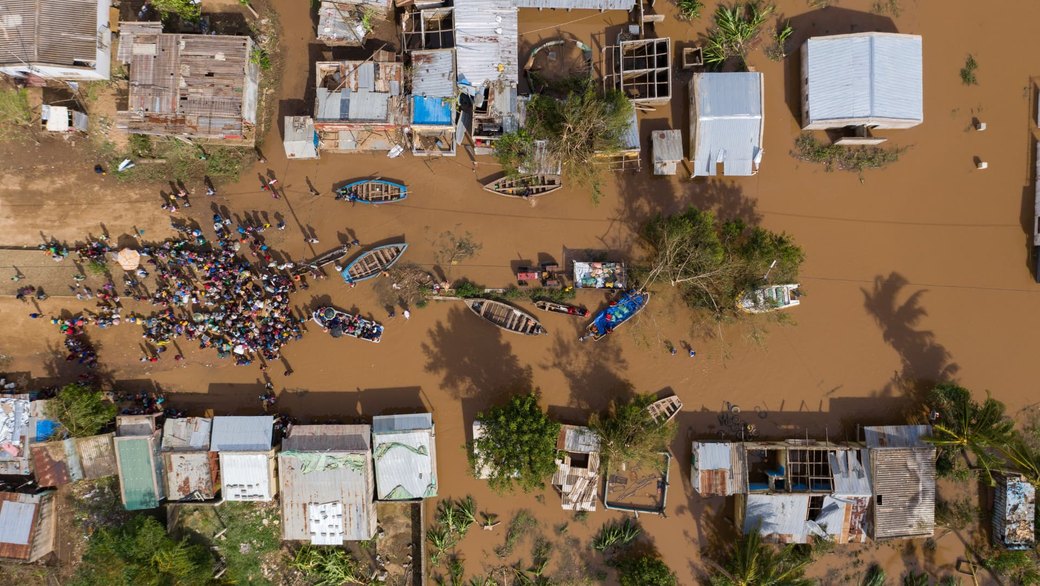 Beira, Mozambique BeiraBeira takes the weather first: floods, cyclones, coastal erosion, and a rising sea behind all three. In June 2026 the city presented its City Action Plan, identifying four priority investments. Among them is a coastal protection programme built on dune, mangrove and wetland restoration, with potential blue carbon finance attached. The plan is Beira's. The Fund paid for the work behind it. 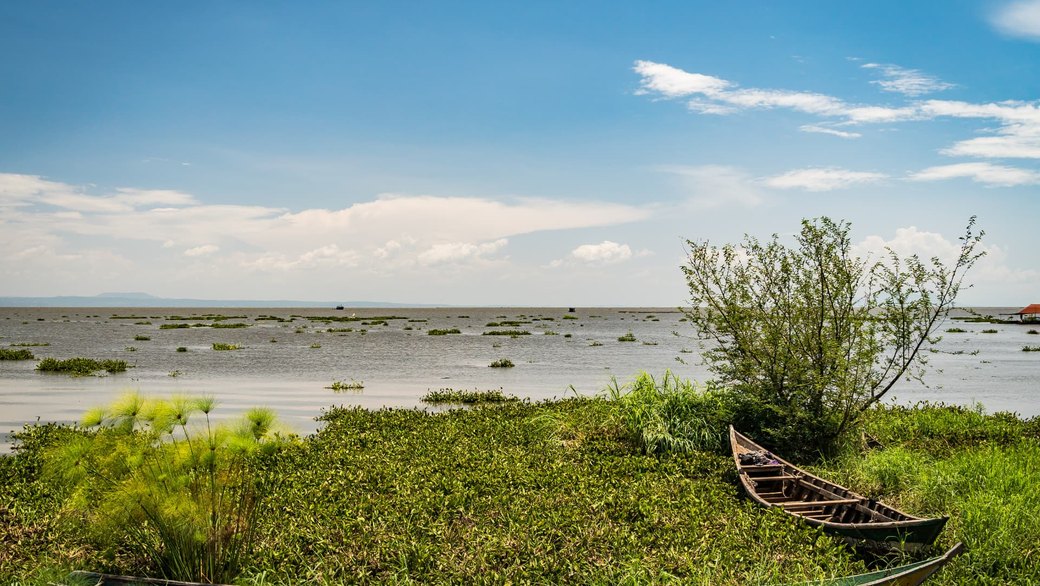 Kisumu, Kenya KisumuKisumu launched its City Action Plan in July 2025 with county leadership, technical agencies and development partners in the room. A USD 750,000 grant followed for the Lakefront Development feasibility study. Plan to preparation inside twelve months, which is fast for work of this kind.  Yamoussoukro in Côte d'Ivoire, Sfax in Tunisia, Brazzaville in the Republic of Congo and Touba in Senegal were approved in June 2026. They join Malabo in Equatorial Guinea, N'Djamena in Chad, Pointe-Noire in the Republic of Congo, Wakiso District in Uganda, Las Anod in Somalia and Freetown in Sierra Leone, which were approved the previous December. Ten cities in the 2026 cohort, the programme's largest single-year intake. | |||||||||||||||||||||||||||||||||||||||||
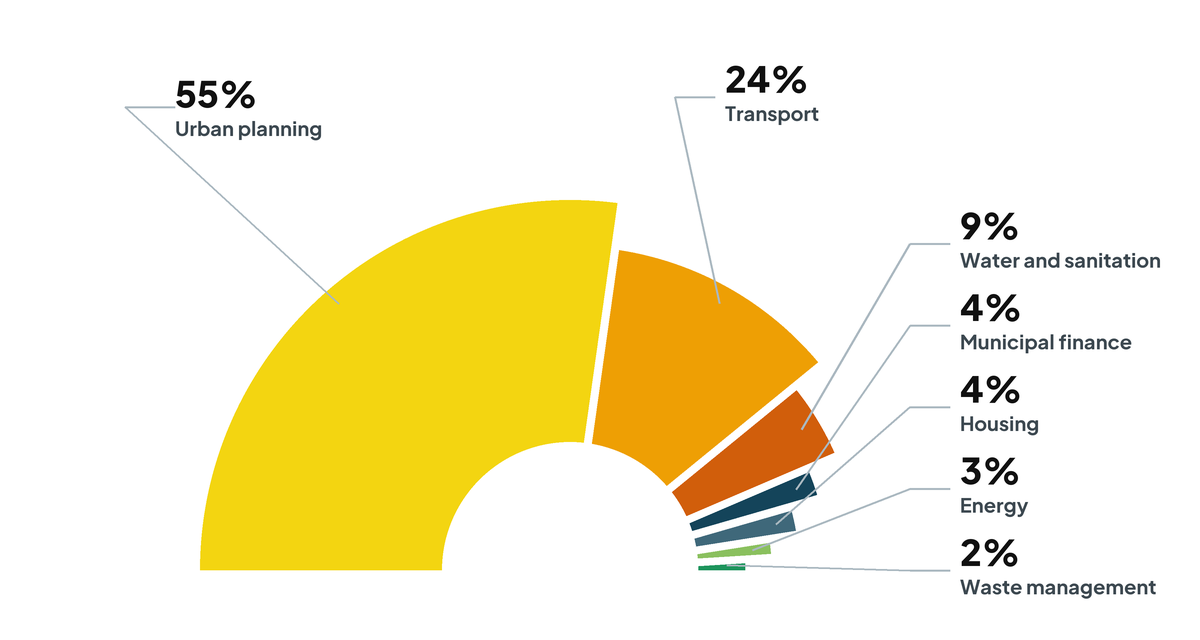
Seven projects are in preparation as this goes out.
Preparation has already done this once more. In Addis Ababa, Fund support for the Sheger Riverside Development Project helped mobilise approximately USD 73 million in downstream investment and pipeline financing. Four of these carry a firm investment figure: USD 2.5 million of preparation against roughly USD 635 million of investment. Every one of these figures is an estimate for a project in preparation. None of it is committed financing yet, and some of it will not be. Three projects closed in the first half of the year: the Tunis waste management master plan, the environmental and resettlement studies for the Lagos Purple Line, and municipal water work with the City of Tshwane. City Action Plans were finalised for Kribi and Beira, and the Affordable Housing Toolkit was launched at the World Urban Forum in Baku. | |||||||||||||||||||||||||||||||||||||||||
What that preparation is forThe numbers above are grants and estimates. This is what they are preparing. 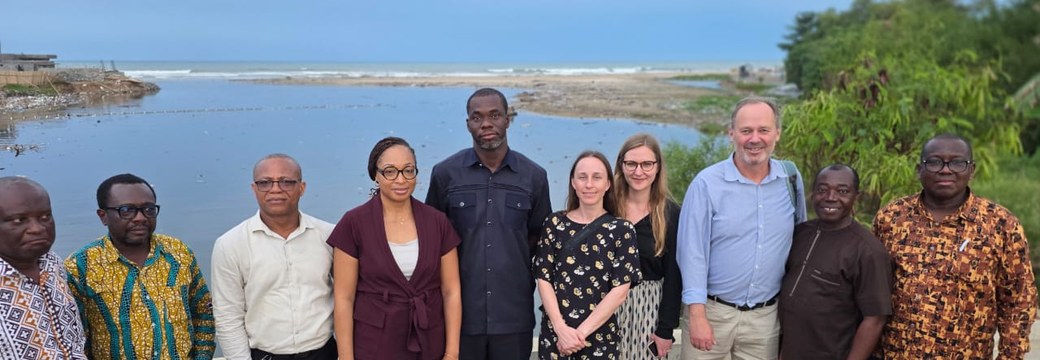 The UMDF team and colleagues from the Danish Ministry of Foreign Affairs visited the Accra East Sanitation and Sewerage Improvement Project in May 2026. Accra, GhanaSanitation and sewerage improvement across urban and peri-urban Accra East, prepared with a study co-financed by the African Water Facility. More than a million people stand to gain access to sewerage and sanitation services, in a part of the city where the networks have never kept pace with how fast it has grown. Ghana is also one of the sites Denmark visited during its financial monitoring of the Fund this year, part of the routine oversight that keeps donor confidence where it should be. 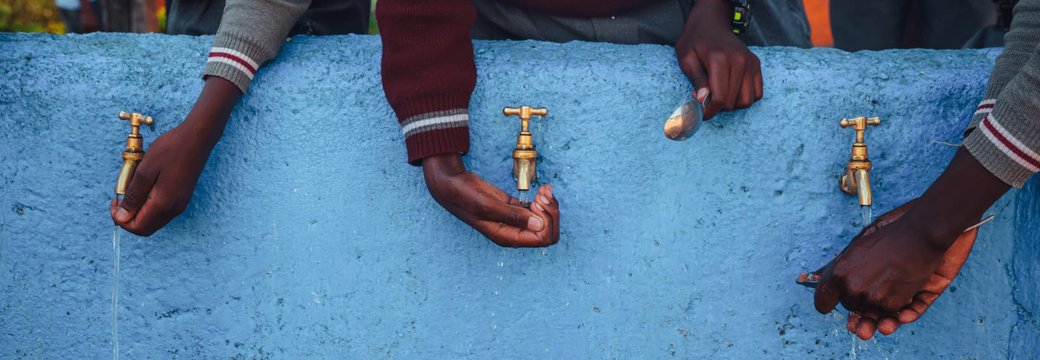 Luanda, AngolaSafe, reliable drinking water for approximately one million people in Cazenga, Talatona, Camama and Cidade Universitária, with the water losses that currently drain the network cut. 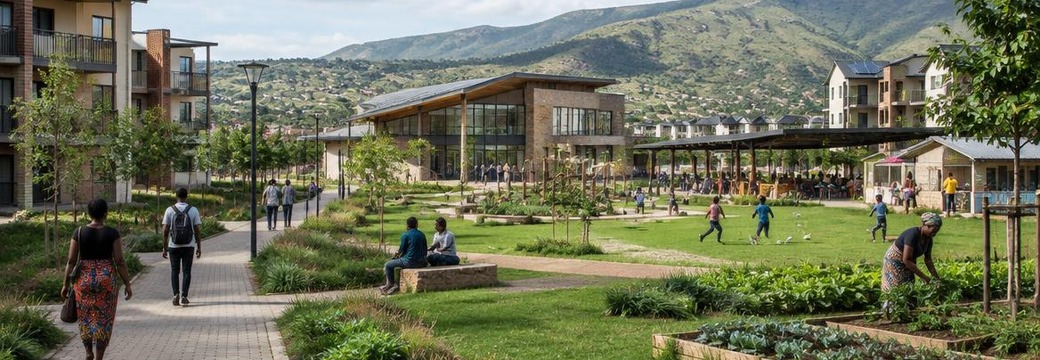 Eco-Green City, eSwatiniA new low-carbon urban development, designed to generate around 100,000 jobs and to house the people filling them, with health and education services planned alongside. Preparation covers the feasibility and design work that has to exist before a development of that scale can be financed. 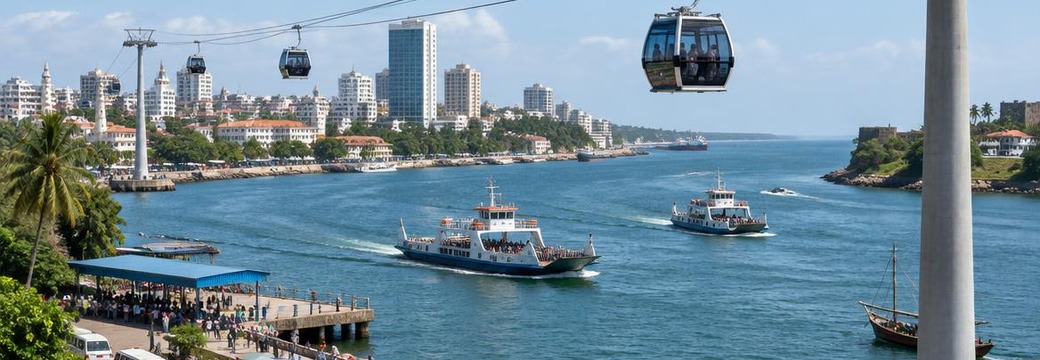 Mombasa, KenyaThe Likoni Cable Express, which would carry around 180,000 passengers a day across the channel that currently divides the city, with the Fund funding updated feasibility and safeguards work to position it for a public-private partnership. One of the first two urban cable car projects prepared in sub-Saharan Africa. 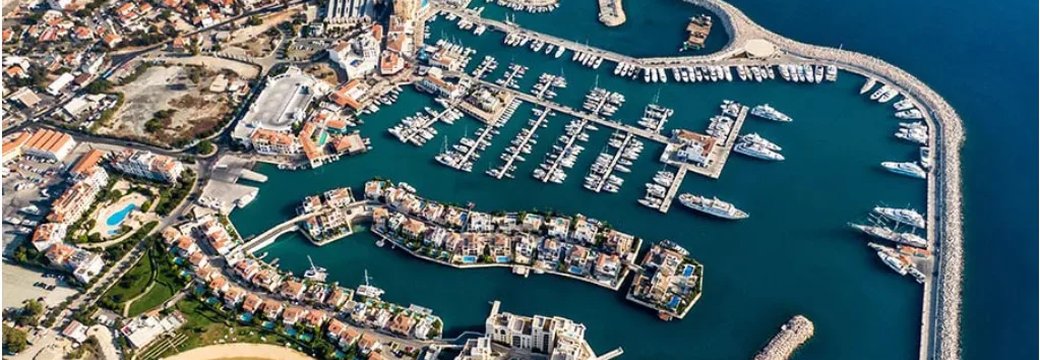 Kisumu, KenyaA waterfront promenade, a marina serving fisheries and tourism, fish processing facilities, wetland restoration and climate-resilient shoreline protection, and around 1,000 affordable housing units, on a lakeshore that is at present largely closed to the public. 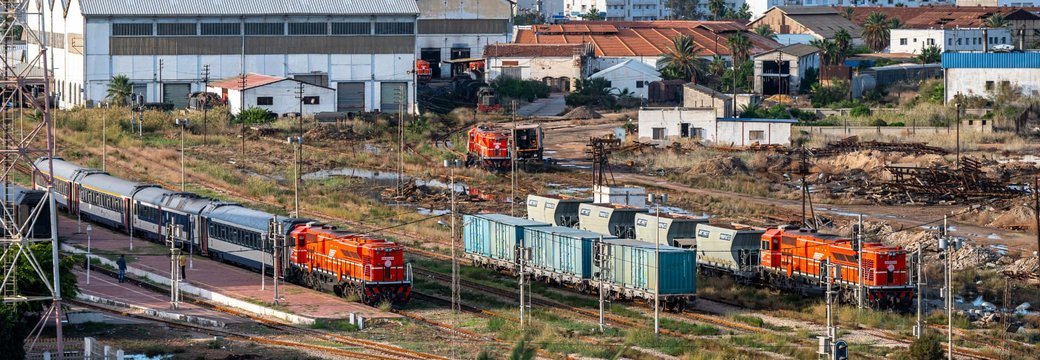 Sfax, TunisiaThe first 13.5km of tramway Line T1, with stations, depots, an integrated bus rapid transit network and upgraded streets and cycling infrastructure, in a city where two-thirds of motorised trips are currently made by car or taxi.  Moroni, ComorosDigitisation of municipal services for around 3,000 government employees, approved in November 2025. The Fund also funded the consultative workshops that secured local agreement on the priorities identified in the city's diagnostics, so the project reflects what Moroni asked for rather than what was offered. 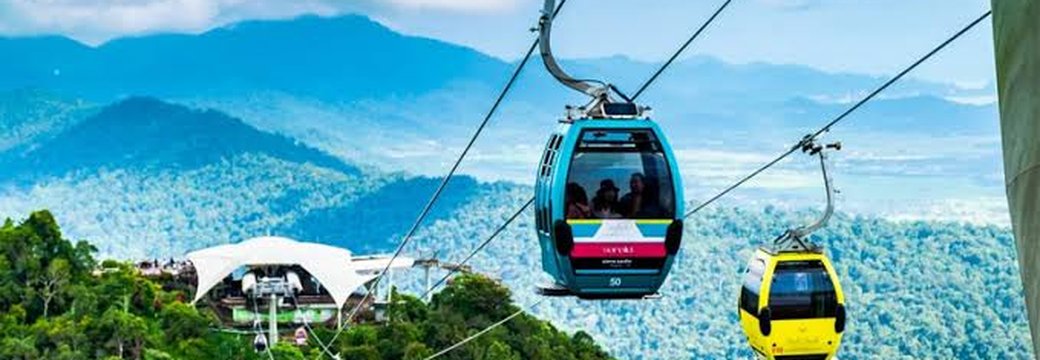 Kigali, RwandaThe first phase of an urban cable car network connecting the Convention Centre to Kigali Sports City, designed to grow to nine lines, on a topography that makes conventional transit expensive and slow. 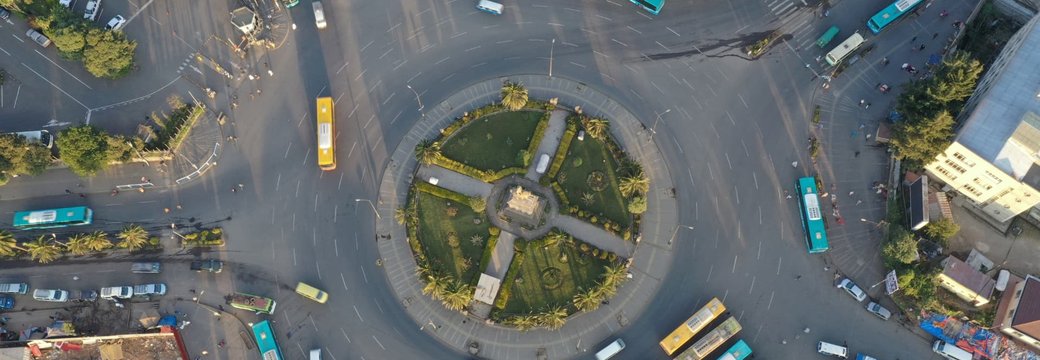 Addis Ababa, EthiopiaA twenty-year mobility roadmap, a five-year action plan, and at least five investment-ready projects for a city where congestion is now measurably reducing economic productivity. 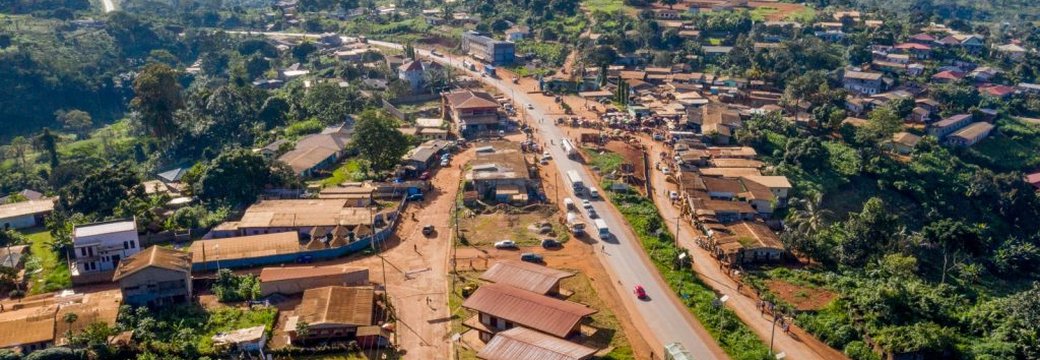 Mbankomo, Yaoundé, CameroonA planned 202-hectare urban hub with its commercial, public and infrastructure components designed, guiding the capital's expansion along the future 90.5km bypass rather than leaving it to chance. 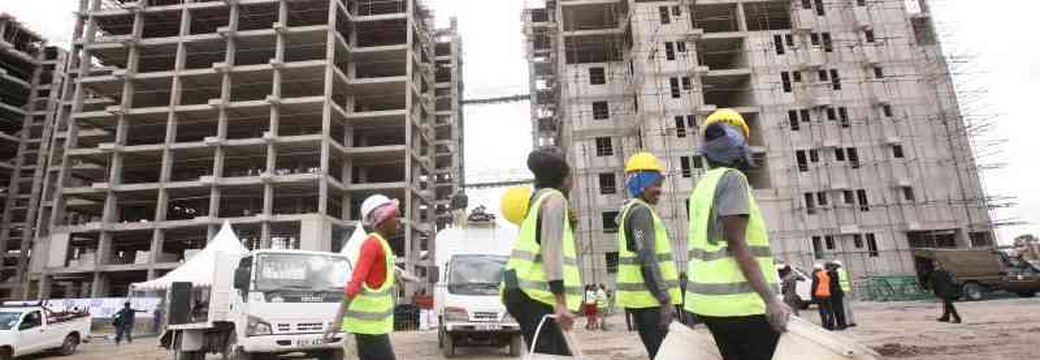 Affordable housing, KenyaA securitisation framework backed by the Affordable Housing Levy, in a country delivering around 50,000 homes a year against annual demand of 250,000. Johannesburg, South AfricaCapital investment in water, wastewater, solid waste and electricity, supported by stronger municipal financial systems and the city’s first direct corporate loan from the African Development Bank. | |||||||||||||||||||||||||||||||||||||||||
Measured against what we promisedIn 2023 you approved a results framework with targets attached to it. Here is how 2024 went, in the Fund's own reporting.
Five of those were met or exceeded and four were not. The Fund reports both, because a results framework is only useful if it can be missed. By the end of 2027 the African Cities Program is due to reach 45 cities; it is at 35 today. The 2025 figures follow in the December brief, alongside the first portfolio-wide answer to a question the Fund cannot yet answer: how often a prepared project goes on to reach financing. | |||||||||||||||||||||||||||||||||||||||||
The Danida programmeIn February 2025 the Fund partnered with the Danida Fellowship Centre to train professionals working in African municipalities, across climate resilience, sustainable urban development, water management, planning and municipal governance. The first course ran from October 2025, delivered by Roskilde University with the UNESCO Chair on Urban Resilience. A second course on solid waste management followed in Denmark, and a third, on climate-resilient water cycle management, runs in Copenhagen this autumn.
Alongside the Danida programme, 157 municipal staff — 22 women and 135 men — improved their capacity through mayors' training with the Union des Villes et Communes de Côte d'Ivoire, co-financed by the Fund. The programme covered municipal finance, budgetary and accounting management, and planning municipal investments. Participants came from cities including Kribi, Bangui, Dodoma, Buffalo City and Nouakchott. Beyond the Danida courses, the Fund has taken municipal staff on benchmarking visits to Copenhagen and Malmö. From 5 to 13 August 2024, 15 participants from seven cities visited São Paulo, Fortaleza and Curitiba. Five published sector notes supported the tour, covering urban mobility, national development banks, solid waste, urban climate resilience and slum upgrading. The expertise that prepares African cities for investment is being built in Africa, by Africans. | |||||||||||||||||||||||||||||||||||||||||
Before the next brief
| |||||||||||||||||||||||||||||||||||||||||
Reply to this email, and it reaches us directly. If there is something you find yourself having to explain internally that our reporting does not give you, tell us, and we will build it into the next one. Getting cities ready. Supported by the Nordic Development Fund, Spain's Ministry of Economy, Trade and Enterprise, the Danish Ministry of Foreign Affairs, the Swiss State Secretariat for Economic Affairs, and the Wallonia Export and Investment Agency.
Images licensed via Adobe Stock. Maps and charts © African Development Bank Group. | |||||||||||||||||||||||||||||||||||||||||